All You Need to Know About Slurry Pumps (Simple Version)
If you’ve ever heard the term “slurry pump” but had no clue what it means, you’re in the right place. We’re going to break down everything about slurry pumps in super simple terms—no fancy jargon, no confusing tech talk. By the end, you’ll know exactly what a slurry pump is, what it does, and why it matters for so many jobs. Let’s start with the basics first.
What Exactly Is a Slurry Pump?
First off, let’s answer the biggest question: what is a slurry pump? A slurry pump is a special kind of pump. It doesn’t move regular water or clean liquids, though. Instead, it moves “slurry”—a thick mix of solid particles and liquid. Think of slurry like mud, concrete mix, or even the wet ore you get from a mine. Regular pumps can’t handle that thick, gritty mix—they’d get clogged or break fast. But slurry pumps are built tough to move slurry without trouble. Every slurry pump has parts that resist wear and tear, so it can keep working even when the slurry is rough or has big particles.
Why Do We Even Need Slurry Pumps?
Now that you know what a slurry pump is, let’s talk about why we need them. Slurry pumps aren’t just “nice to have”—they’re essential for lots of industries. For example, mines use slurry pumps all the time. When miners dig up ore (like iron or copper), they mix it with water to make slurry. Then they use a slurry pump to move that slurry from the mine to a processing plant. Construction sites use slurry pumps too. If workers need to move wet concrete or dredge mud from a hole, a slurry pump gets the job done. Even wastewater treatment plants rely on slurry pumps—they move thick, solid-filled waste through the treatment process. Without slurry pumps, these jobs would take way longer, cost more money, and be way harder to do.
What Makes a Slurry Pump Different from a Regular Pump?
You might be wondering: can’t I just use a regular water pump instead of a slurry pump? The short answer is no—and here’s why. Regular pumps have thin parts and small openings. If you try to pump slurry through them, the solid particles will clog the openings or scratch the inside parts. Slurry pumps fix that with two key features. First, they have bigger openings to let solid particles pass through easily. Second, their parts (like the impeller, which spins to move the liquid) are made from tough materials—things like rubber or hard metal. These materials can handle the gritty slurry without wearing out quickly. So a regular pump might break after a few minutes with slurry, but a good slurry pump can run for hours or even days.
The Main Parts of a Slurry Pump (You Don’t Need to Be an Expert!)
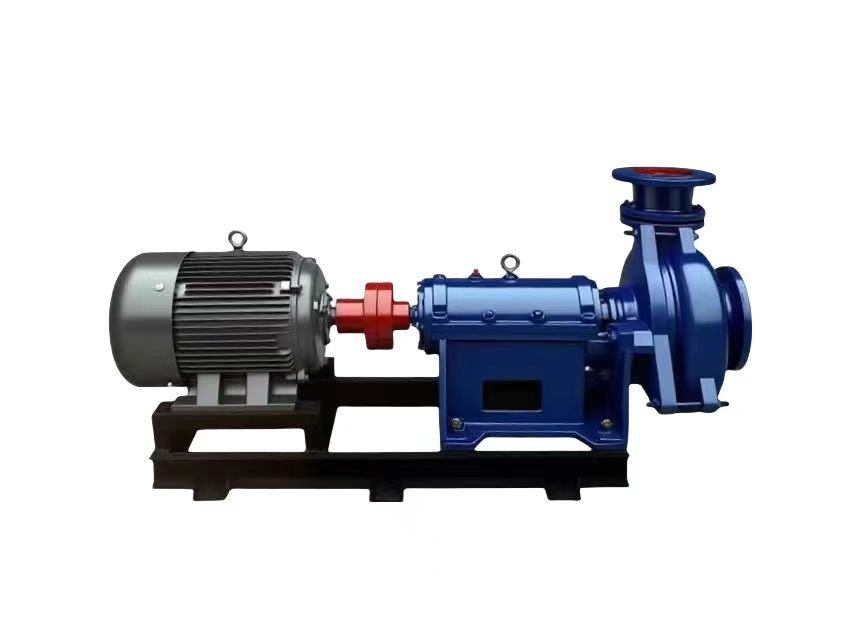
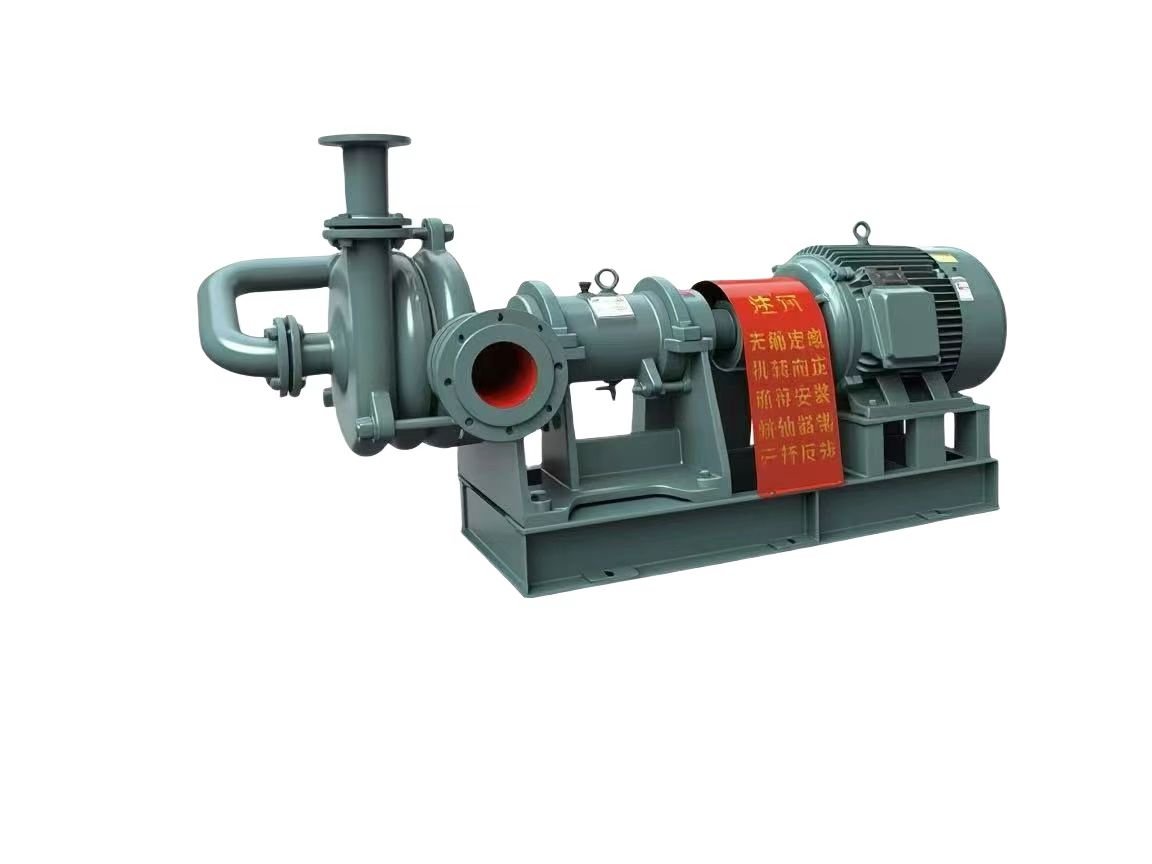
Let’s break down the parts of a slurry pump—again, super simple. You don’t need to memorize every part, but knowing the basics helps you understand how it works. First, there’s the impeller. This is a round, fan-like part that spins really fast. When the impeller spins, it creates suction that pulls the slurry into the pump. Then there’s the casing—that’s the outer shell of the slurry pump. It holds all the parts together and guides the slurry from the inlet (where it goes in) to the outlet (where it comes out). Next, there’s the shaft—this is the rod that connects the impeller to the motor. The motor spins the shaft, which spins the impeller. Finally, there are seals—these keep the slurry from leaking out of the pump. Every slurry pump has these basic parts, and they all work together to move slurry smoothly.
How Does a Slurry Pump Actually Work?
Now let’s put those parts together to see how a slurry pump works. It’s a pretty straightforward process, even if it sounds like it might be complicated. First, you turn on the slurry pump’s motor. The motor spins the shaft, and the shaft spins the impeller. As the impeller spins, it creates a force that pulls the slurry into the pump through the inlet. Once the slurry is inside the casing, the spinning impeller pushes it toward the outlet. The casing’s shape helps speed up the slurry a little, so it flows out of the outlet with enough force to move through pipes to where it needs to go. That’s it! No magic—just simple parts working together to move that thick slurry. And because the parts are tough, the slurry pump can keep doing this over and over without breaking.
What Kinds of Slurry Can a Slurry Pump Handle?
Slurry isn’t all the same—some is thicker, some has bigger particles, and some is more abrasive (meaning it scratches things easily). But a good slurry pump can handle lots of different types of slurry. Let’s list a few common ones. First, mining slurry—this has ore particles, which can be sharp and heavy. Slurry pumps for mines are extra tough to handle this. Then there’s construction slurry, like wet concrete or mortar. This is thick but not as abrasive as mining slurry. Wastewater slurry is another type—it has things like food scraps, paper, or other solid waste from homes or factories. Some slurry pumps even handle agricultural slurry, like manure mixed with water, which farms use to fertilize fields. The key is picking the right slurry pump for the type of slurry you need to move—we’ll talk about that next.
How to Pick the Right Slurry Pump for Your Job
Picking the right slurry pump isn’t hard, but you need to ask yourself a few simple questions first. The first question is: what kind of slurry am I moving? If it’s abrasive (like mining slurry), you need a slurry pump with extra-tough parts. If it’s thin (like some wastewater slurry), a standard slurry pump might work. Second question: how thick is the slurry? Thicker slurry needs a slurry pump with a more powerful motor to push it through. Third question: how far do I need to move the slurry? If you’re moving it a long distance (like from a mine to a plant miles away), you need a slurry pump with more force. Fourth question: how big are the solid particles in the slurry? If the particles are big (like rocks), you need a slurry pump with a bigger inlet and outlet. Answering these questions helps you find a slurry pump that works for your specific job—so you don’t waste money on a pump that’s too weak or too strong.
How to Take Care of a Slurry Pump (So It Lasts Longer)
A slurry pump is a hardworking tool, but it needs a little care to keep working well. If you ignore maintenance, your slurry pump might break early, and that means extra costs and downtime. Here are some simple tips. First, check the slurry pump before you use it every time. Look for leaks around the seals, and make sure the parts aren’t loose. If you see a leak, fix it right away—slurry can damage other parts if it leaks out. Second, clean the slurry pump after use. Even tough slurry pumps can get clogged if you leave dry slurry inside. Rinse it with water (if the slurry isn’t harmful) to get rid of any leftover particles. Third, replace worn parts on time. The impeller and seals are the parts that wear out fastest. If you notice the slurry pump is moving slower or making strange noises, check these parts—replacing them early is cheaper than replacing the whole pump. Fourth, don’t overload the slurry pump. If you try to pump more slurry than it’s designed for, it will overheat and break. Stick to the pump’s recommended capacity, and it will last for years.
Common Problems with Slurry Pumps (and How to Fix Them)
Even with good care, slurry pumps can have small problems sometimes. The good news is most of these problems are easy to fix—you don’t need to be a mechanic. Let’s go over the most common ones. First, the slurry pump won’t start. This is usually because the motor isn’t plugged in, or the power is out. Check the power source first—if that’s not it, the motor might be overheated. Let it cool down for 30 minutes, then try again. Second, the slurry pump is moving slow or not moving slurry at all. This is often a clog. Turn off the pump, and check the inlet and outlet for solid particles. Remove any clogs, and it should work again. Third, the slurry pump is making loud noises. This could mean a part is loose or worn out. Turn off the pump, and check the impeller and shaft—if something is loose, tighten it. If a part is worn, replace it. Fourth, the slurry pump is leaking. This is usually a bad seal. Replace the seal, and the leak should stop. Most of these fixes take 10-15 minutes, so you can get your slurry pump back to work fast.
Where Else Do Slurry Pumps Get Used? (You Might Be Surprised!)
We talked about mines, construction, and wastewater plants, but slurry pumps are used in lots of other places too—some you might not expect. For example, power plants use slurry pumps to move coal slurry. Coal is ground up and mixed with water to make slurry, which is easier to move to the boiler to make electricity. Paper mills use slurry pumps too—they move wood pulp (a type of slurry) through the machines that make paper. Even oil and gas companies use slurry pumps. When they drill for oil, they use a slurry called “drilling mud” to cool the drill bit and carry rock fragments back to the surface. A slurry pump moves that drilling mud up and down the drill hole. And let’s not forget landfills—they use slurry pumps to move leachate (a dirty slurry that forms when rainwater mixes with landfill waste) to treatment facilities. Slurry pumps are everywhere, even if you don’t see them!
Why Slurry Pumps Are Worth the Investment
Finally, let’s talk about why a good slurry pump is worth spending money on. Some people think they can save money by using a regular pump or a cheap slurry pump, but that usually backfires. A regular pump will break in no time, so you’ll have to buy a new one—and you’ll lose time while the pump is broken. A cheap slurry pump might work for a few weeks, but its parts will wear out fast, and you’ll end up replacing parts over and over. A good slurry pump, though, will last for years with minimal maintenance. It will move slurry quickly and efficiently, so your job gets done faster. It will also save you money in the long run—no more replacing broken pumps or dealing with downtime. Plus, a good slurry pump is safe to use—cheap ones can leak or overheat, which is a hazard. So even if a good slurry pump costs more upfront, it’s worth it for the reliability and savings.
By now, you should know almost everything there is to know about slurry pumps—what they are, how they work, where they’re used, and how to take care of them. Remember, a slurry pump is just a tough, specialized pump that moves thick, solid-filled slurry. It’s not complicated, but it’s super important for lots of jobs. Whether you’re working in a mine, building a house, or running a wastewater plant, a good slurry pump is your best friend. And if you ever have questions about your slurry pump, just go back to the basics—check the parts, keep it clean, and pick the right one for your job. That’s all you need to keep your slurry pump working well for years to come.
-
All You Need to Know About Slurry Pumps (Simple Version)