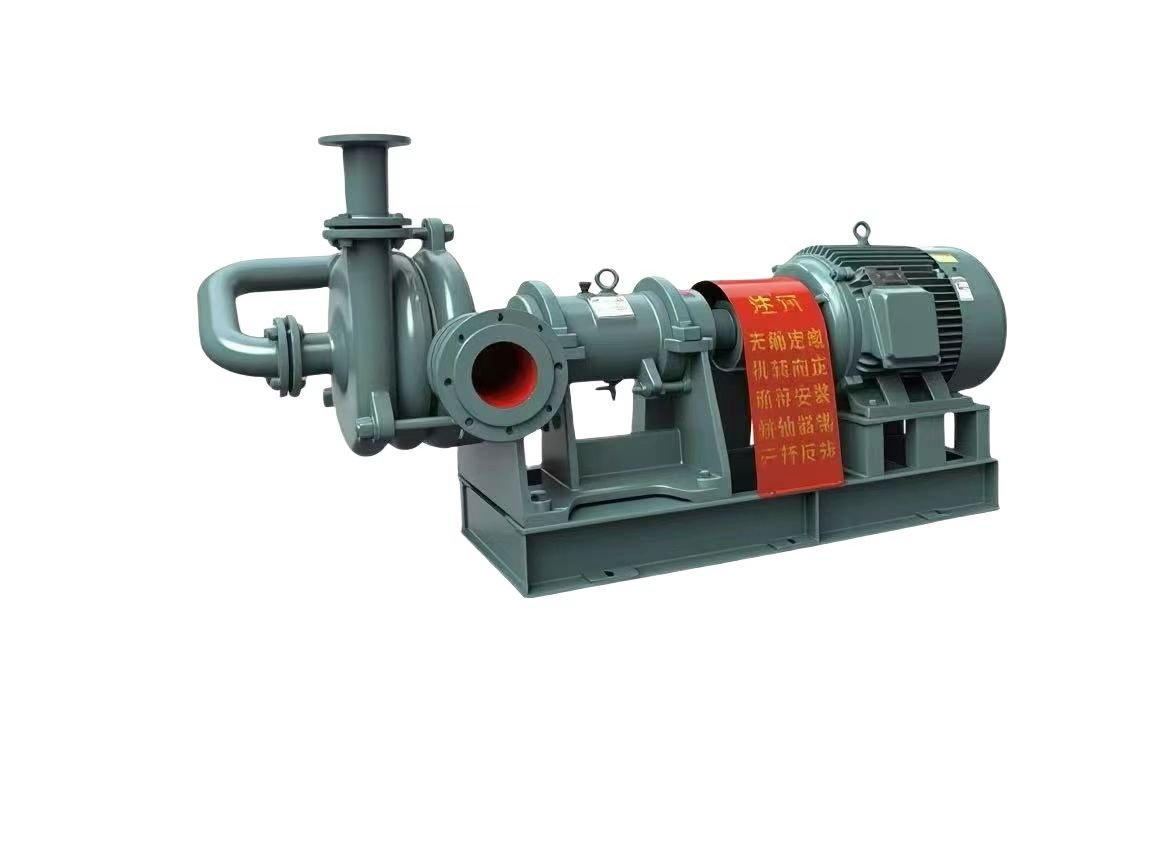
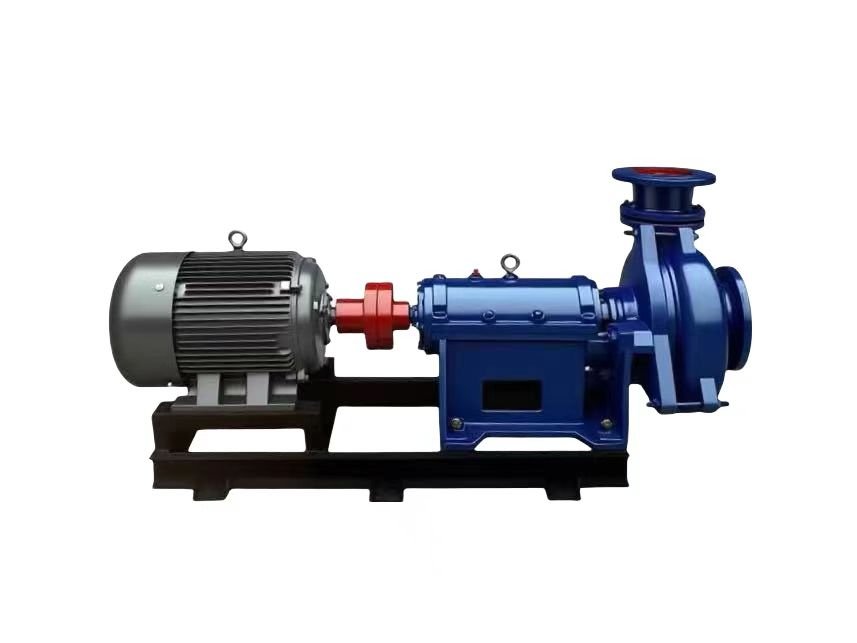
If you work in mining, construction, or wastewater treatment, you know how important a slurry pump is for daily operations. Pick the wrong slurry pump, and you’ll face constant breakdowns, slow work, and wasted money. Pick the right one, and your work runs smooth, output goes up, and you save time and effort. Many people think choosing a slurry pump is complicated—but it’s actually surprisingly simple. Today, we’ll walk through every step to help you pick the perfect slurry pump for your needs.
First: Figure Out What Slurry You’ll Move (This Is Key!)
Before you even look at slurry pumps, you need to know exactly what kind of slurry you’ll be moving. Slurry isn’t all the same—some is thin like water, some is thick like mud, and some has big, sharp solids mixed in. Start by checking two things: how thick the slurry is and what’s in it. For example, if you’re moving slurry with small sand particles, you’ll need a different slurry pump than if you’re moving slurry with large gravel chunks. Write down these details—they’ll be your guide when you start comparing slurry pumps. If you skip this step, you might end up with a slurry pump that can’t handle your slurry, and that’s a big waste of money.
Next: Calculate How Much Slurry You Need to Move Each Day
Once you know what slurry you’re working with, the next step is to figure out how much of it you need to move daily. Every business has different needs—some move 500 gallons of slurry a day, others move 5,000 gallons or more. To calculate this, think about your daily work goals: how many jobs do you need to finish? How much slurry does each job require moving? Add those numbers up to get your daily slurry volume. This number tells you the “capacity” your slurry pump needs to have. A slurry pump with too little capacity will struggle to keep up, slowing your work. A slurry pump with too much capacity will waste energy. So getting this number right makes choosing a slurry pump way easier.
Don’t Forget About “Head Pressure”—Here’s What It Means
You might have heard the term “head pressure” when talking about slurry pumps, but don’t let it scare you. It’s just a simple way to say how high or far you need to move the slurry. For example, if you need to pump slurry up 20 feet to a storage tank, that’s your head pressure. If you need to move it 100 feet across a work site, that also counts toward head pressure. Every slurry pump has a maximum head pressure it can handle. If you pick a slurry pump with lower head pressure than you need, it won’t move the slurry to where it needs to go. To find your head pressure, measure the highest point you’ll pump the slurry and the farthest distance. Then look for a slurry pump that matches or exceeds that number. See? Surprisingly simple!
Check the Slurry Pump’s Material—It Matters for Durability
Slurry can be rough and abrasive, especially if it has sharp solids like rocks or metal shavings. That’s why the material your slurry pump is made of is so important. A slurry pump made of weak material will wear out fast, leading to frequent repairs. The best materials for slurry pumps depend on your slurry:
- If your slurry has small, soft solids (like fine sand), a slurry pump made of cast iron works well.
- If your slurry has sharp, hard solids (like gravel or metal), go for a slurry pump made of耐磨 (wear-resistant) alloy or rubber-lined parts.
- If your slurry is corrosive (like some wastewater), a slurry pump made of stainless steel is a good choice.
Picking the right material means your slurry pump will last longer, so you won’t have to replace it anytime soon.
Look for Easy Maintenance—Save Time Later
No matter how good a slurry pump is, it will need some maintenance now and then. That’s why you should pick a slurry pump that’s easy to maintain. What does “easy maintenance” look like? First, the slurry pump should have parts that are easy to reach—you don’t want to take apart half the pump just to change a filter. Second, the manufacturer should sell replacement parts easily—so you don’t have to wait weeks for a new impeller. Third, the slurry pump should have simple instructions for basic maintenance, like cleaning or oiling parts. A slurry pump that’s hard to maintain will cost you extra time and money down the line. So add “easy maintenance” to your list of must-haves when choosing a slurry pump.
Consider the Motor—Efficiency Saves Money
The motor is the heart of your slurry pump, so you need to pick one that’s efficient. An efficient motor uses less energy to run, which lowers your electricity bills. But how do you know if a slurry pump’s motor is efficient? Look for the “horsepower (HP)” rating and the energy efficiency label. For example, if you need to move 1,000 gallons of slurry a day, a 5 HP motor might be enough—no need to buy a 10 HP motor that wastes energy. Also, ask the manufacturer about the motor’s lifespan—an efficient motor usually lasts longer too. Remember, a slurry pump with a good motor doesn’t just save you money on electricity; it also keeps the slurry pump running smoothly for years.
Don’t Ignore the Brand—Reputation Means Reliability
With so many slurry pump brands out there, it’s easy to pick the cheapest one. But that’s a mistake. A brand with a good reputation makes reliable slurry pumps that live up to their promises. How do you check a brand’s reputation? First, read reviews from other people who use their slurry pumps—do they say the pump lasts long? Is customer service helpful? Second, ask your industry friends or colleagues which slurry pump brands they trust. Third, look for brands that have been making slurry pumps for years—they have more experience and know what works. A reputable brand might cost a little more upfront, but it’s worth it to avoid a bad slurry pump that breaks down all the time.
Compare Prices—but Don’t Pick Just the Cheapest
Price is important, but it shouldn’t be the only thing you think about when choosing a slurry pump. A cheap slurry pump might seem like a good deal, but if it can’t handle your slurry or breaks down often, it will cost you more in repairs and replacements. On the other hand, the most expensive slurry pump isn’t always the best—you might be paying for features you don’t need. Instead of picking the cheapest or most expensive, compare the “value” of each slurry pump. Value means getting a slurry pump that matches all your needs (capacity, head pressure, material) at a fair price. Make a list of 3-5 slurry pumps that fit your needs, then compare their prices and features. This way, you’ll pick a slurry pump that’s worth every penny.
Ask for a Demo or Trial—Test Before You Buy
If you’re still not sure which slurry pump to pick, ask the manufacturer for a demo or trial. Many companies will let you test the slurry pump at your work site for a few days. This is a great way to see if the slurry pump actually works for your needs. During the trial, check a few things: Does it move the slurry as fast as you need? Does it handle the head pressure easily? Is it quiet and easy to operate? If the slurry pump works well during the trial, you can buy it with confidence. If not, you can try another one. A demo or trial takes the guesswork out of choosing a slurry pump—and that’s what makes this guide so simple.
Talk to the Manufacturer’s Experts—They Can Help
You don’t have to figure this out alone. Most slurry pump manufacturers have experts who can help you pick the right one. These experts know their slurry pumps inside out, and they’ve helped hundreds of businesses like yours. When you talk to them, tell them everything about your slurry: what’s in it, how much you need to move, and how far you need to pump it. They’ll use that information to recommend the perfect slurry pump for you. Don’t be afraid to ask questions—like “Will this slurry pump work in cold weather?” or “How often do I need to replace the parts?” The more you ask, the more confident you’ll be in your choice.
Make a Final Checklist—Don’t Miss Anything
Before you buy, make a final checklist to make sure you haven’t missed anything. Your checklist should include:
- Does the slurry pump match my slurry type (thickness, solids)?
- Does it have enough capacity for my daily slurry volume?
- Can it handle my head pressure?
- Is it made of the right material for durability?
- Is it easy to maintain?
- Does the motor have good efficiency?
- Is the brand reputable?
- Does it offer good value for the price?
- Did it work well during the demo/trial (if you had one)?
If the slurry pump checks all these boxes, you’re ready to buy. If not, go back and adjust your choices. This checklist ensures you don’t make a mistake—and that choosing a slurry pump is truly simple.
Final Thoughts: Choosing the Right Slurry Pump Is Easy When You Follow These Steps
As you can see, choosing the right slurry pump doesn’t have to be complicated. It just takes a little time to figure out your needs (slurry type, capacity, head pressure) and compare the right slurry pumps. By following the steps in this guide, you’ll pick a slurry pump that keeps your work running smooth, boosts your output, and saves you time and money. Remember, the right slurry pump isn’t just a tool—it’s an investment in your business’s success. So take your time, use this guide, and you’ll find the perfect slurry pump for your needs. Who knew choosing a slurry pump could be so surprisingly simple?

-
Choosing the Right Slurry Pump: A Surprisingly Simple Guide