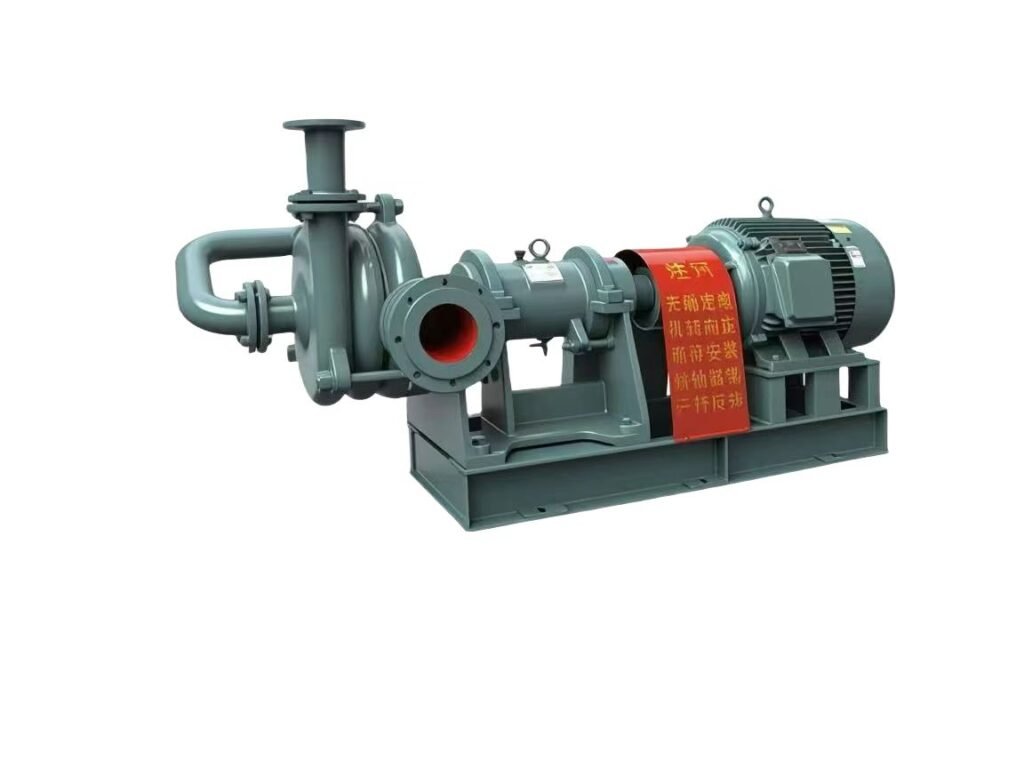
Need the best slurry pump? Check this guide! Easy expert tips to pick durable, high-efficiency pumps for mining, construction & more. Save money & avoid headaches
- First, Know Exactly What You Need**
Before buying, think about your specific job. What kind of slurry are you pumping? Is it thick, abrasive, or corrosive? Different industries like mining, wastewater, or chemical processing need different pumps. So ask yourself: “What’s my exact situation?” This helps narrow down options fast.
Also, check the flow rate and head pressure. Flow rate means how much liquid the pump moves per hour, while head pressure is how high it can push the slurry. If you’re unsure, get specs from the manufacturer or chat with a pump expert.
2. Focus on Durability – Don’t Skip This!
Slurry pumps face heavy wear and tear. That’s why material matters! High-chrome alloys or rubber-lined pumps handle abrasion way better. If your slurry has sand, rocks, or sharp particles, go for extra-tough materials.
Another key factor? Impeller design. Closed impellers work for fine particles, while open impellers suit larger chunks. Picking the wrong one cuts the pump’s life short. Remember: Cheaper isn’t always smarter—longevity saves cash!
3. Higher Efficiency = Lower Costs
Efficient pumps might cost more upfront but save big on power bills. Look for “specific speed” and “efficiency curves” in the specs—these show energy use. A well-designed pump slashes electricity costs over time.
Maintenance ease also matters. Some pumps let you replace parts quickly without fancy tools. If you hate downtime, pick a simple, service-friendly model.
4. Brand Reputation & Support Matter
Big brands often offer reliability, but mid-range options can surprise you. Read user reviews and ask: “How’s their customer service?” Since slurry pumps wear out, fast spare parts and tech support are must-haves.
Pro tip: Join industry forums or Facebook groups to hear real-user experiences. Good after-sales service beats a flashy logo any day!
5. Compare Total Cost, Not Just Price
A cheap pump can become expensive fast! Low-quality models break sooner, hike repair bills, and guzzle power. Instead, calculate:
- Purchase price
- Energy consumption
- Maintenance frequency
- Expected lifespan
Make a spreadsheet or ask suppliers for lifecycle cost estimates. Spending 20% more now could save 50% later!
6. Seal Type: Avoid Costly Leaks!
Seals prevent leaks but fail often in harsh slurry. Options include:
- Packed seals (cheap but need frequent adjustment)
- Mechanical seals (last longer but cost more)
For toxic or high-pressure slurries, double mechanical seals add safety. Discuss seal options with your vendor to dodge messy (and pricey) failures.
7. Size It Right – Bigger Isn’t Better
An oversized pump wastes energy, while undersized ones overwork and break. Match the pump to your:
- Pipe diameter
- Operating hours/day
- Peak demand periods
Use online pump sizing tools or consult an engineer. Perfect sizing = max efficiency + min wear!
8. Consider the Motor Too
The pump’s only as good as its motor! Check:
- Power (HP/kW): Enough for your slurry density?
- Voltage: Matches your facility’s supply?
- Protection rating (IP): Dusty/wet? Go for IP65 or higher.
A mismatched motor strains the pump. Always verify compatibility!
9. Installation Tips for Longer Life
Even the best pump fails if installed wrong. Remember:
- Keep piping straight to reduce vibration.
- Align shafts precisely to avoid seal damage.
- Use stable foundations—no wobbly mounts!
Follow the manual’s installation guide or hire a pro. Good setup prevents 30% of early failures!
10. Maintenance: Small Effort, Big Rewards
Routine care extends pump life dramatically:
- Daily: Check for leaks/unusual noises.
- Weekly: Lubricate bearings if needed.
- Monthly: Inspect wear parts (impellers, liners).
Keep a logbook to spot issues early. Consistent care beats costly breakdowns!
11. When to Call the Experts
If you’re stuck between models or face unique conditions (like extreme pH or high temperatures), reach out to:
- Pump manufacturers
- Industry consultants
- Local maintenance crews
Their insights prevent expensive trial-and-error buys!
12. Final Checklist Before Buying
Hit “order” only after verifying:
✔️ Correct size for your slurry type
✔️ Durable materials (chrome/rubber)
✔️ Energy-efficient design
✔️ Reliable local service support
✔️ Fair total cost of ownership
Still unsure? Many suppliers offer free consultations—use them!