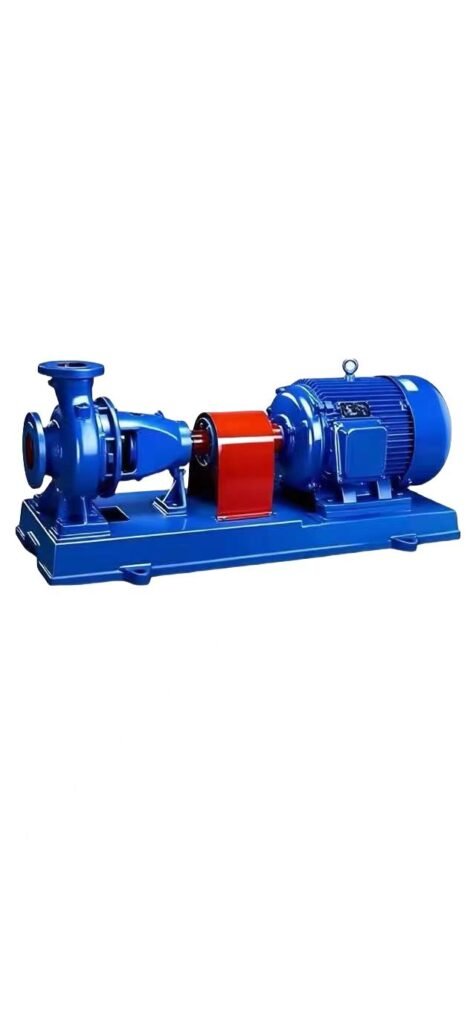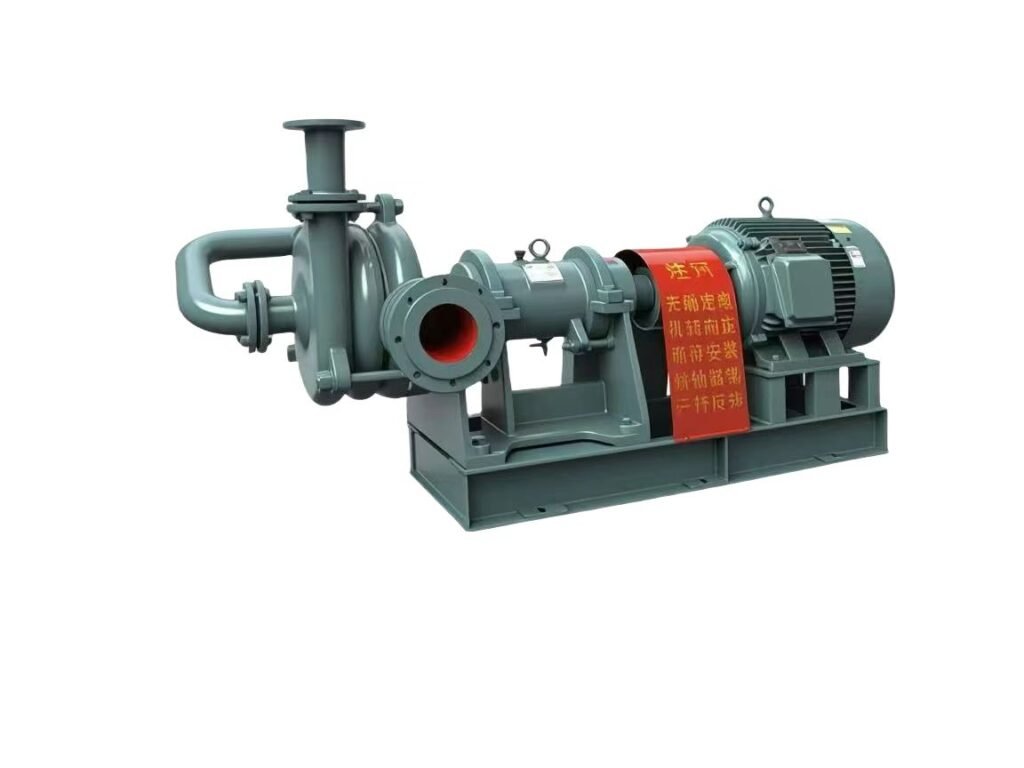
Slurry pump guide: selection, operation & maintenance tips to save time and money!
- Understanding Slurry Pump Basics**
Slurry pumps move thick, abrasive mixtures like sand, gravel, and water. Unlike regular pumps, they handle tough materials without clogging. If you work in mining, construction, or wastewater, knowing how they function keeps operations smooth.
2. Choosing the Right Pump for the Job
Not all slurry pumps work the same. Some handle fine particles, while others manage large rocks. Always check the pump’s specs before buying. A mismatch leads to breakdowns and wasted money.
3. Key Features of a Reliable Slurry Pump
Look for heavy-duty materials like high-chrome steel. A strong motor matters too. Seals should prevent leaks, and the design must resist wear. Investing in quality now prevents costly repairs later.
4. Avoiding Common Pump Mistakes
Many operators run pumps too fast, causing early wear. Others ignore maintenance until it’s too late. Simple steps like proper speed and regular checks extend pump life dramatically.
5. The Importance of Proper Installation
A poorly installed pump fails quickly. Always follow the manufacturer’s guidelines. Ensure the base is stable, and pipes align correctly. Taking time here prevents major headaches later.
6. Keeping Your Pump Running Smoothly
Routine maintenance keeps slurry pumps efficient. Clean parts regularly, check for leaks, and replace worn components fast. A little effort now saves big money over time.
7. Spotting Early Warning Signs
Strange noises, leaks, or reduced flow mean trouble. Address these issues immediately before they worsen. Catching problems early avoids expensive shutdowns.
8. Energy Efficiency Tips
Slurry pumps can use lots of power. Optimize performance by adjusting speed and pressure. Small changes lower energy bills without sacrificing output.
9. Handling Extreme Conditions
Some slurries contain harsh chemicals or extreme temperatures. Specialized pumps handle these challenges. Always match the pump to your specific needs for best results.
10. Safety First When Handling Slurry
Slurry pumps pose risks like leaks or bursts. Wear protective gear and follow safety protocols. Keeping workers safe ensures uninterrupted operations.
11. Cost-Saving Strategies
Buying cheap pumps often costs more long-term. Instead, invest in durable models with warranties. Proper care and smart choices maximize value over time.
12. Expert Tips for Peak Performance
Consult professionals for complex setups. Use monitoring tools to track performance. Stay updated on new technologies to keep your system running like new.