What Exactly is a Slurry Pump?**
Let’s start with the basics. A slurry pump moves thick, abrasive mixtures. These pumps handle materials like mud, sand, gravel, and industrial waste. Unlike water pumps, slurry pumps face extreme wear and tear. They need rugged construction and smart design. Understanding your slurry pump ensures better performance and longer life.
Why Slurry Pumps Matter in Industry
Slurry pumps power many industries. Mining operations use them to move ore mixtures. Construction sites rely on them for sediment control. Wastewater plants depend on slurry pumps for sludge transfer. Without strong slurry pumps, these industries would face constant downtime and soaring costs.
Key Parts of Your Slurry Pump
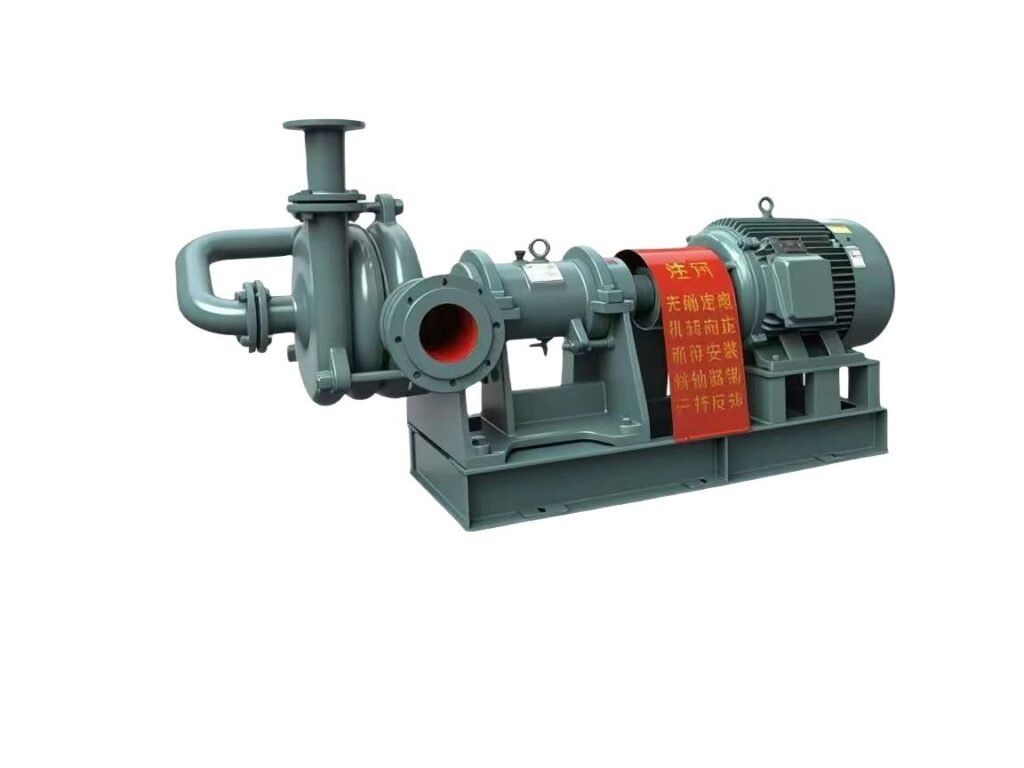
Every slurry pump contains critical components. The impeller creates flow by spinning rapidly. The casing directs the slurry where it needs to go. Wear plates protect against abrasion. Seals prevent leaks and keep slurry contained. Knowing these parts helps you maintain your slurry pump properly.
How Slurry Pumps Actually Work
Slurry pumps use centrifugal force to move thick mixtures. The impeller spins and pushes slurry toward the discharge point. This design handles solids without clogging. Proper operation keeps your slurry pump running smoothly for years. Always follow guidelines for best results.
Types of Slurry Pumps Available
Several slurry pump types serve different needs. Horizontal slurry pumps work well for most applications. Vertical slurry pumps fit tight spaces. Submersible slurry pumps operate underwater. Choosing the right slurry pump type maximizes efficiency and minimizes problems.
Where Slurry Pumps Perform Best
Slurry pumps excel in challenging environments. Mining operations benefit from heavy-duty slurry pumps. Dredging projects require pumps that handle sand and mud. Industrial plants use slurry pumps for waste management. Agricultural applications include moving fertilizer mixtures. Your slurry pump must match your specific conditions.
Common Slurry Pump Mistakes
Many users undermine their slurry pump performance. Running the pump dry causes immediate damage. Ignoring wear parts leads to sudden failure. Using wrong materials accelerates deterioration. Proper care prevents these slurry pump issues.
Maximizing Slurry Pump Life
You can extend your slurry pump lifespan significantly. Regular inspection catches problems early. Timely replacement of wear parts avoids bigger issues. Proper installation ensures optimal performance. These steps keep your slurry pump working like new.
Troubleshooting Slurry Pump Issues
Even the best slurry pump sometimes has problems. Reduced flow often means worn parts or clogs. Strange noises may indicate impeller damage. Leaks suggest seal failure. Addressing these slurry pump issues quickly prevents costly downtime.
Selecting Your Perfect Slurry Pump
Choose your slurry pump carefully. Consider the material abrasiveness first. Determine required flow rates and pressure. Evaluate chemical compatibility needs. The right slurry pump saves money and prevents headaches.
Slurry Pump Maintenance Schedule
Maintain your slurry pump regularly. Daily checks include unusual noises and leaks. Weekly inspections should cover wear parts. Monthly maintenance involves cleaning and lubrication. This schedule keeps your slurry pump in top condition.
Future of Slurry Pump Technology
Slurry pump technology continues advancing. New materials offer better wear resistance. Smart sensors predict maintenance needs. Energy-efficient designs reduce operating costs. These innovations make modern slurry pumps more reliable than ever.
Your Slurry Pump Success Story
Start your slurry pump journey today. Choose the right model for your needs. Follow proper operating procedures. Maintain your equipment regularly. Your slurry pump will deliver years of reliable service.
+86 13643321888
whatsapp +6282145915425
-
The Ultimate Slurry Pump 101: What You Absolutely NEED to Know.